Answer in 30 seconds
Fuse is deliberately aligned to Braze for customer engagement. We stay open across data, loyalty, analytics and specialist technology, but choose depth over breadth at the engagement layer because the hard work now sits in architecture, decisioning, AI, customer state and orchestration, not simply campaign execution.
Braze has been named a Leader in the 2026 Gartner® Magic Quadrant™ for Multichannel Marketing Hubs.
Braze says it was positioned highest in Ability to Execute and furthest in Completeness of Vision among the vendors evaluated. It was also ranked first for Multichannel Engagement and Omnichannel Workflow Innovation in Gartner’s accompanying Critical Capabilities report.
For Fuse, that is welcome validation. But it is not why we choose Braze.
We made a more deliberate decision a long time ago: we would rather go exceptionally deep on one customer engagement platform than spread ourselves thinly across five.
We are not platform agnostic
That is intentional.
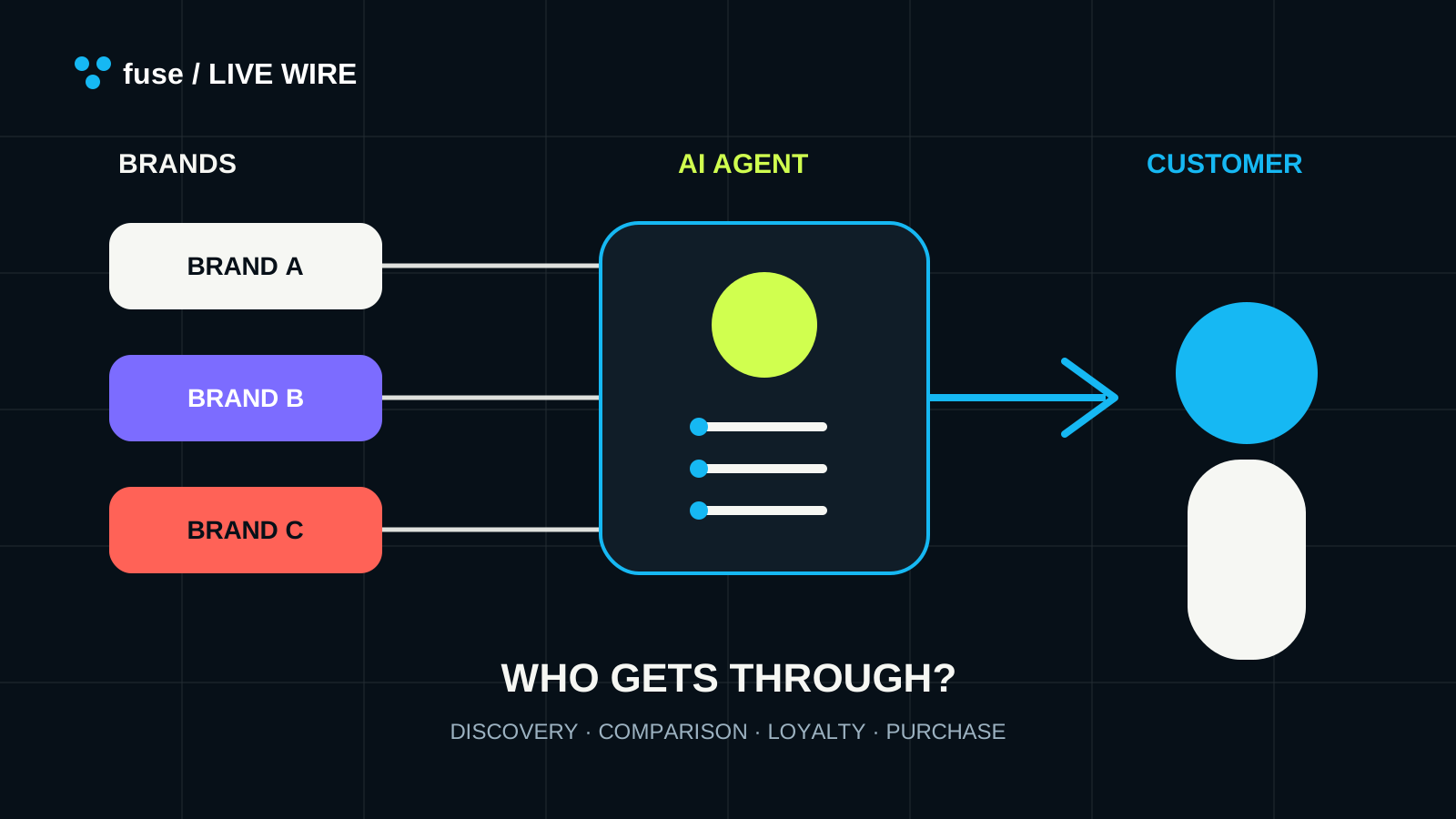
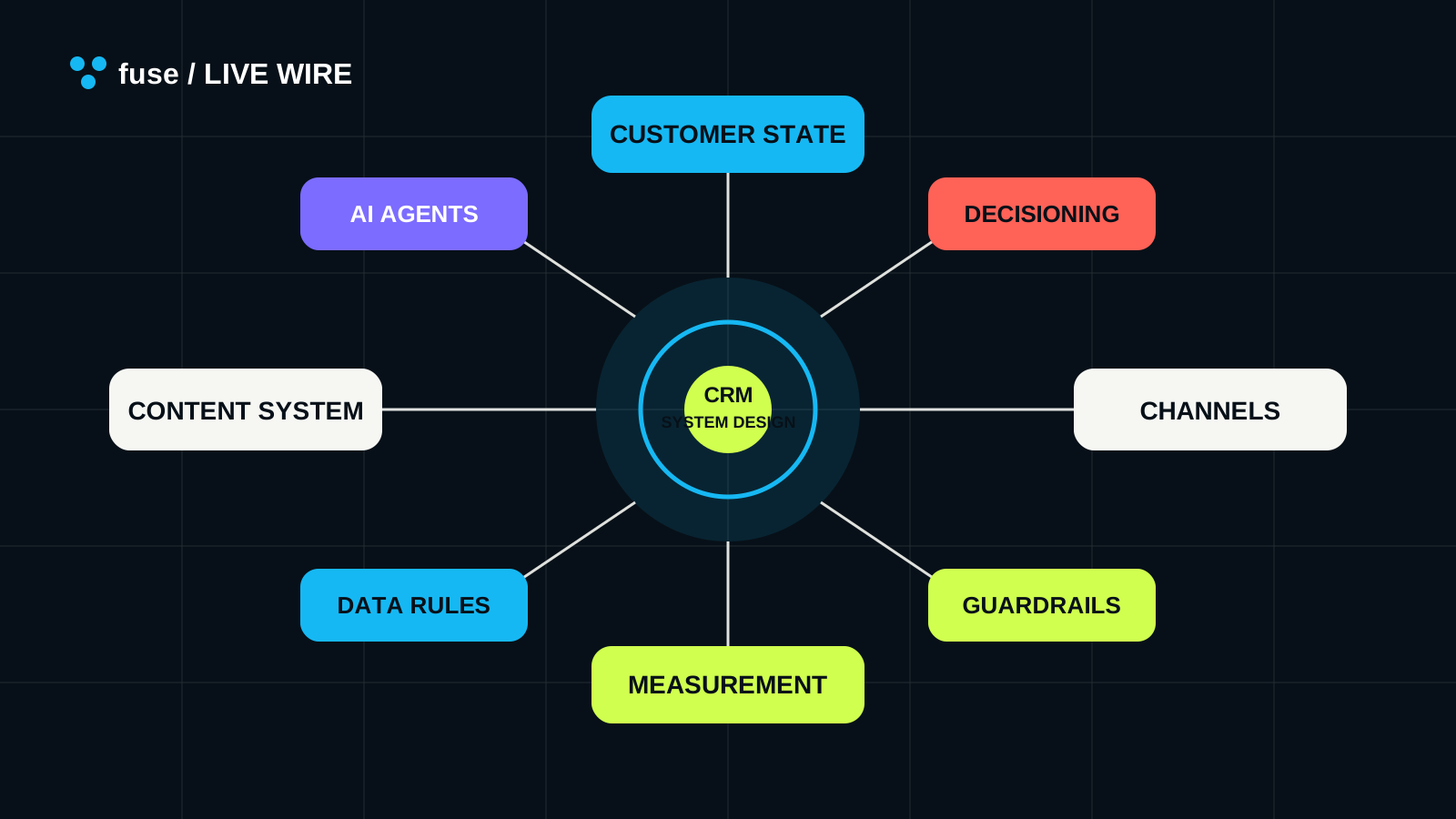
Customer engagement is no longer just campaign configuration. It increasingly sits at the intersection of customer data, decisioning, orchestration, creative, loyalty, experimentation, AI and measurement.
To do that work properly, you need to understand far more than where the buttons are. You need to understand how the platform behaves when the architecture gets complicated.

Braze fits how we think the stack should work
Being Braze-first does not mean trying to make Braze do everything. Quite the opposite.
We believe systems should have clear jobs. Data platforms such as Databricks, Fabric, Snowflake and BigQuery should own data and customer state. Specialist technologies should handle the problems they are strongest at. Braze should sit at the customer engagement layer, turning that context into decisions, journeys and experiences.
That architecture increasingly mirrors where Braze itself is heading: real-time customer signals, cross-channel orchestration, AI-powered decisioning and more controlled adoption of AI inside marketing workflows.
Specialisation compounds
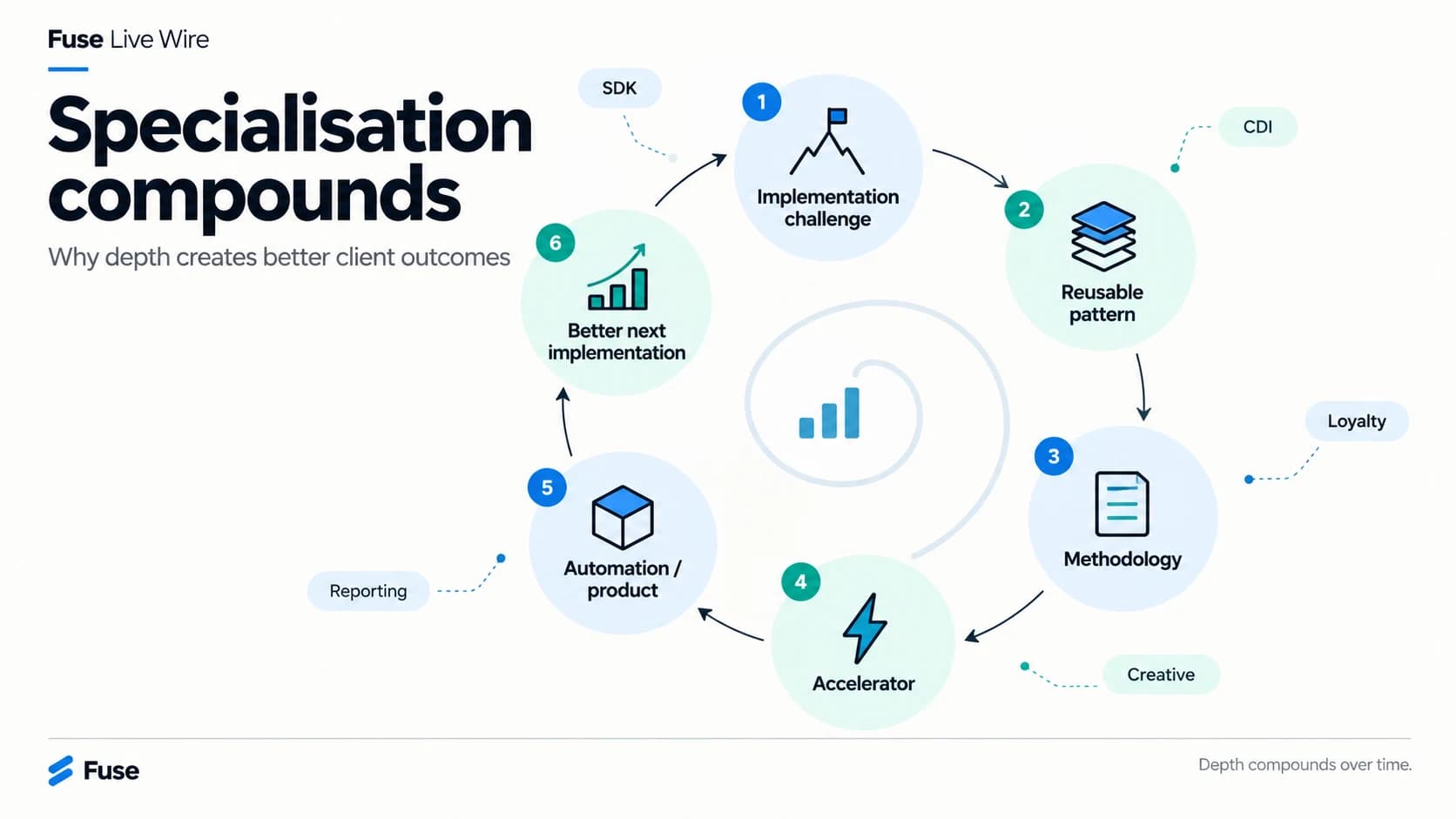
Every difficult implementation should make the next one better.
An SDK problem becomes a reusable pattern. A CDI architecture becomes methodology. A loyalty integration becomes an accelerator. A creative limitation becomes a component. A recurring implementation task eventually becomes automation or software.
There is a commercial trade-off in saying no. We may walk away from work on competing engagement platforms. That is intentional too.
Breadth looks attractive on a capabilities page. Depth becomes more valuable when the work gets difficult.
AI makes the bet more important
AI will steadily reduce the value of basic platform execution. Building an audience, creating variants or configuring a journey will get easier.
The valuable questions move upstream: What customer state can the system trust? Where should a decision be made? What should an AI agent be allowed to change? Where does human approval remain necessary? How do different systems interact? How do you measure whether the decision was actually good?
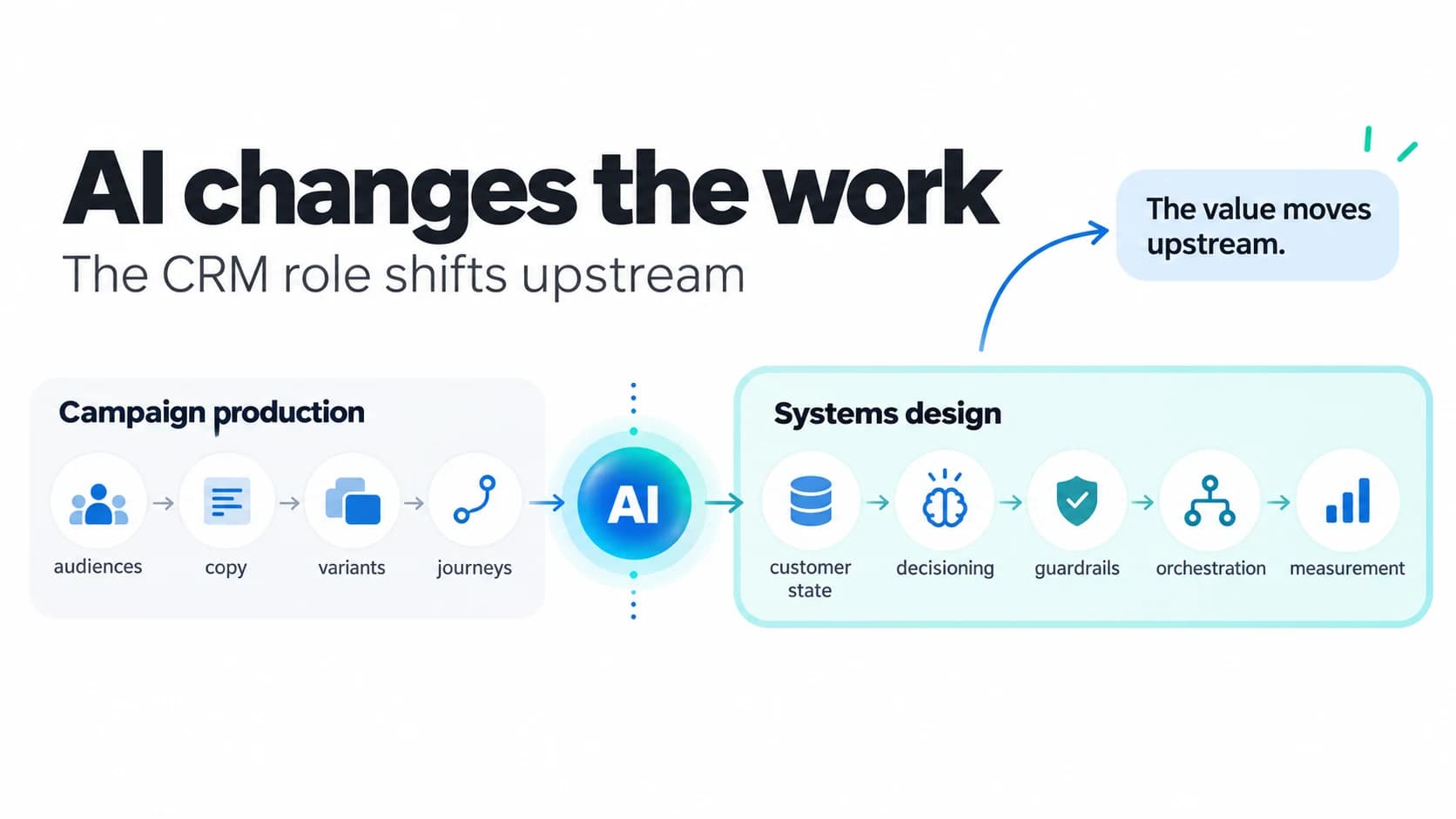
That is much closer to systems design than campaign production. It is also where we want Fuse to operate.
So yes, we are biased
For customer engagement, Fuse is not platform agnostic.
We are aligned to Braze by choice.
We will still tell clients when something should live in their warehouse, product, loyalty platform or another specialist technology. We will not force every customer problem into one product.
But we do not intend to dilute our customer engagement capability by becoming moderately good at every platform in the market.
Gartner’s latest assessment did not make that decision for us.
It does make us feel pretty good about where we placed the bet.